

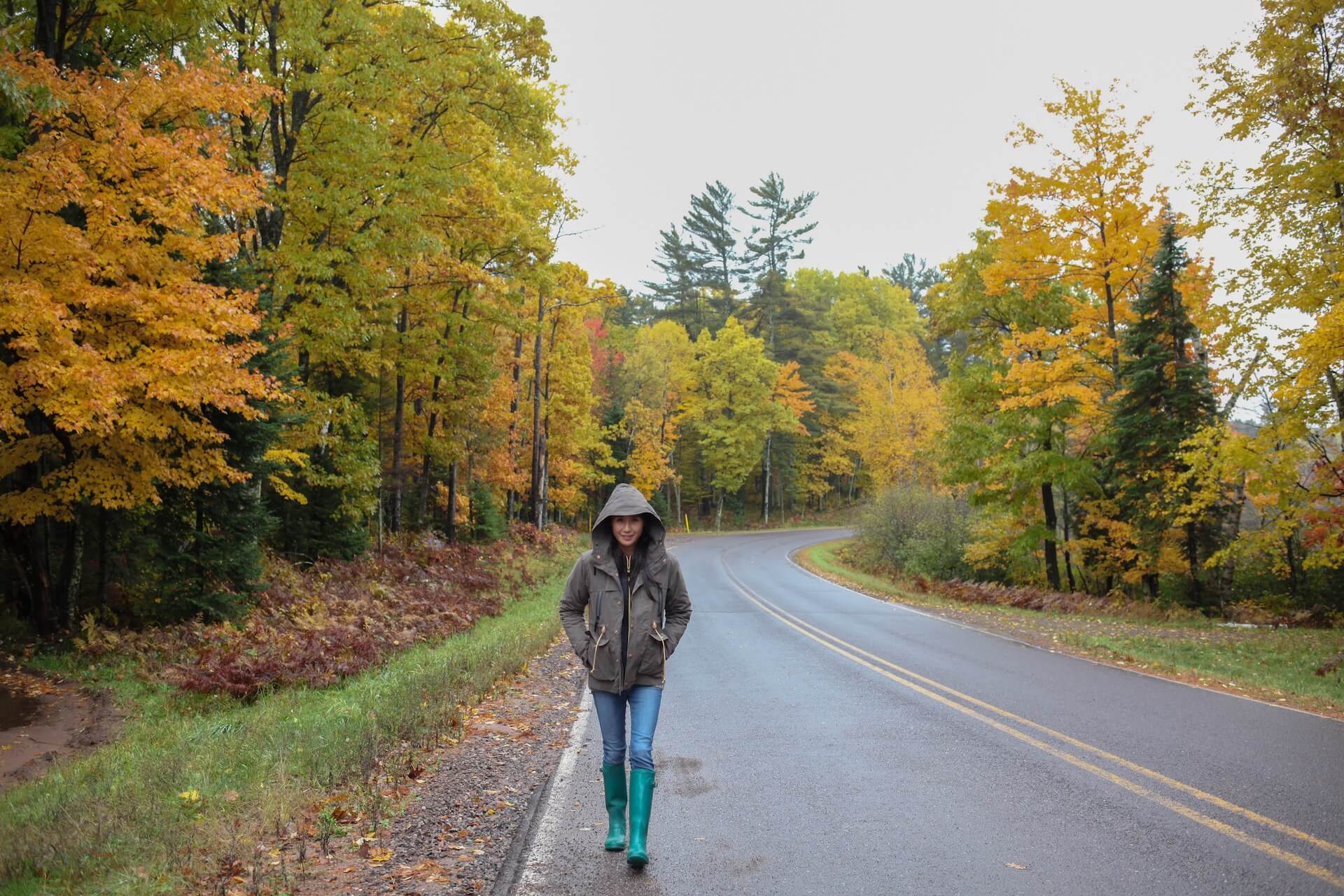
Living near the forest is a dream come true for many nature enthusiasts. The serene beauty, the fresh air, and the abundance of wildlife make it an ideal place to call home. But did you know that living near the forest provides more than just aesthetic pleasure? Scientific research has shown that proximity to the forest offers a myriad of benefits for our physical and mental well-being. From promoting a healthier lifestyle to reducing stress and improving cognitive function, the forest has a remarkable impact on our overall quality of life. In this article, we will explore the numerous advantages of living near the forest and delve into the scientific evidence behind these claims.
A Haven for Wildlife: Biodiversity Flourishes
One of the primary benefits of living near the forest is the opportunity to witness the wonders of nature up close. Forests are teeming with life, providing a habitat for a diverse range of wildlife. Birds chirping, squirrels bounding from tree to tree, and rabbits hopping through the underbrush create a vibrant ecosystem that surrounds your home. The forest not only offers a captivating sight but also plays a crucial role in supporting the delicate balance of our planet’s biodiversity.
A Natural Defense Against Flooding
Living near a forest can also serve as a natural defense against flooding. The extensive root systems of trees have the remarkable ability to absorb large amounts of water, preventing rapid runoff and reducing the risk of flooding. By acting as a sponge, the forest helps regulate the water cycle and protects nearby properties from potential water damage. This natural flood mitigation system provided by the forest is invaluable, especially in regions prone to heavy rainfall or in proximity to bodies of water.
Embracing Nature’s Cooling and Warming Effects
Trees are the unsung heroes when it comes to regulating temperatures and reducing energy consumption. In the summer, the shade provided by trees helps to cool the surrounding area, reducing the need for air conditioning. By creating a natural canopy, trees shield homes from the scorching sun and lower ambient temperatures. Conversely, during the winter months, trees act as windbreakers, reducing heat loss and lowering heating costs. The forest’s ability to create a microclimate offers a natural and sustainable solution to temperature control, benefiting both the environment and our wallets.
A Retreat for the Mind and Soul
In our fast-paced, technology-driven lives, finding moments of tranquility and peace can be challenging. Living near the forest provides an escape from the stresses of daily life and offers a respite for the mind and soul. Numerous studies have highlighted the positive effects of spending time in nature on our mental well-being. The forest’s serene atmosphere, the soothing sounds of rustling leaves, and the scent of pine trees evoke a sense of calm and relaxation.
Research has shown that spending time in nature can improve cognitive function, enhance creativity, and boost overall well-being. In fact, one study found that hospital patients with a view of trees from their rooms had shorter hospital stays and required less pain medication compared to those without a natural view. The forest’s ability to reduce stress, anxiety, and depression makes it a natural therapy for mental health.
A Natural Deterrent to Crime
Believe it or not, living near the forest can also contribute to a safer community. Studies have shown that neighborhoods with more trees and green spaces experience lower crime rates compared to those lacking natural elements. The presence of trees and greenery has a calming effect on individuals, promoting a sense of community and trust. People tend to spend more time outdoors, interacting with their neighbors, and fostering a safer and more secure environment. The forest’s ability to deter crime adds another layer of security and peace of mind for those living nearby.
A Breath of Clean Air and Climate Change Mitigation
Clean air is essential for our health and well-being, and forests play a vital role in maintaining air quality. Trees act as natural filters, absorbing harmful pollutants and releasing clean oxygen into the atmosphere. Through a process called photosynthesis, trees absorb carbon dioxide, a significant greenhouse gas, and store it as carbon in their trunks, branches, and leaves. This carbon sequestration helps mitigate climate change by reducing the amount of greenhouse gases in the atmosphere.
It’s estimated that a single tree can absorb up to 48 pounds of carbon dioxide per year, making forests powerful allies in the fight against climate change. Living near the forest means breathing in cleaner air and contributing to a healthier planet for future generations.
Embracing an Active Lifestyle
Living near the forest encourages an active and healthy lifestyle. The accessibility and beauty of the natural surroundings inspire residents to engage in outdoor activities such as hiking, biking, and jogging. The forest provides endless opportunities for exploration and exercise, making it easier and more enjoyable to maintain an active lifestyle. Unlike the monotony of a gym, the forest offers a dynamic and ever-changing environment that stimulates both the body and the mind.
A Source of Inspiration and Creativity
The forest has long been a source of inspiration for artists, writers, and thinkers throughout history. The tranquil ambiance, the symphony of nature, and the awe-inspiring beauty of the forest spark creativity and ignite the imagination. Whether you’re a painter seeking inspiration from the interplay of light and shadow or a writer finding solace in the stillness of the woods, the forest provides a limitless source of creative energy.
The Economic Value of Forest Proximity
Living near the forest not only enhances our well-being but also holds economic value. Properties located in close proximity to forests often experience increased demand and higher property values. The allure of living in a natural haven, with all its associated benefits, makes forested areas highly sought after. Additionally, the forest provides opportunities for eco-tourism and recreational activities, contributing to local economies and job creation.
The Future of Forest Living
As more people gravitate towards urban centers, the need for accessible green spaces becomes increasingly crucial. Urban planners and policymakers must prioritize the integration of natural environments within cities to promote a healthier and happier population. Creating and preserving green belts, urban forests, and parks not only enhances the quality of life but also ensures the sustainable development of our cities.
In conclusion, living near the forest offers a multitude of benefits for our physical, mental, and environmental well-being. From providing a sanctuary for wildlife to reducing stress and improving air quality, the forest acts as a natural haven for health and happiness. As we continue to navigate the challenges of urban living, let us not forget the importance of nature in our lives. Embracing the forest as our neighbor brings us closer to the harmony and tranquility that only nature can provide. So, whether it’s the chirping of birds or the rustling of leaves that beckons you, consider the forest as your next home, and let nature work its magic on your well-being.